Serious work,
taken lightly.

As a Talent Director and Head of Leadership Development, I spent 25 years inside organisations across the Middle East, Asia and Africa — watching what drives team effectiveness, what makes culture change stick, and more recently what AI leadership actually demands of the people at the top. I've seen how organisations actually work — the politics, the pressure, the dynamics that nobody names out loud.

Director of Talent & Head of Leadership Development
Organisations of 30,000+ people across five countries
Retail, banking, consulting · UAE, Singapore, UK, Pakistan, Australia
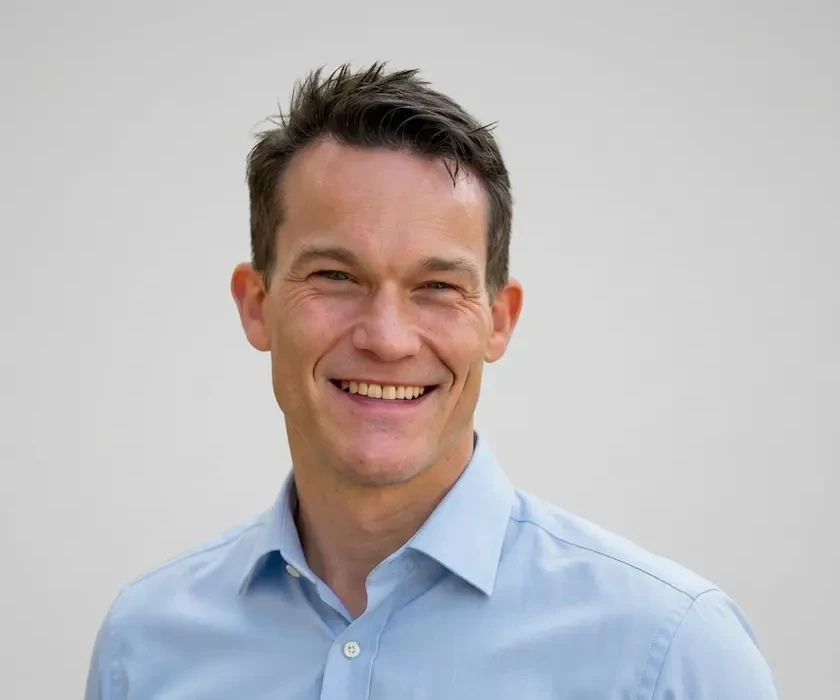
Dustin Woods
"

Organisations get better when people get more human. That means fixing the system before blaming the person — and creating the conditions where real conversation can finally happen.

How I got here

For more than 25 years, I worked inside complex organisations across retail, banking, consulting and family businesses throughout the Middle East, Asia and Africa.

Over time, I became less interested in the polished performance of organisational life — and more interested in what was actually happening underneath it.

How trust erodes. How silos form. How intelligent people become trapped inside systems they didn't design and can't quite see. Why some teams come alive while others slowly suffocate.

That shift changed the kind of work I do. I moved from building leadership programmes to working with the conditions that shape how people actually behave — the structure, the dynamics, the avoided conversations.

I'm also a husband and father of twins, which has probably taught me more about leading under pressure than any workshop ever has.

What I've come to believe

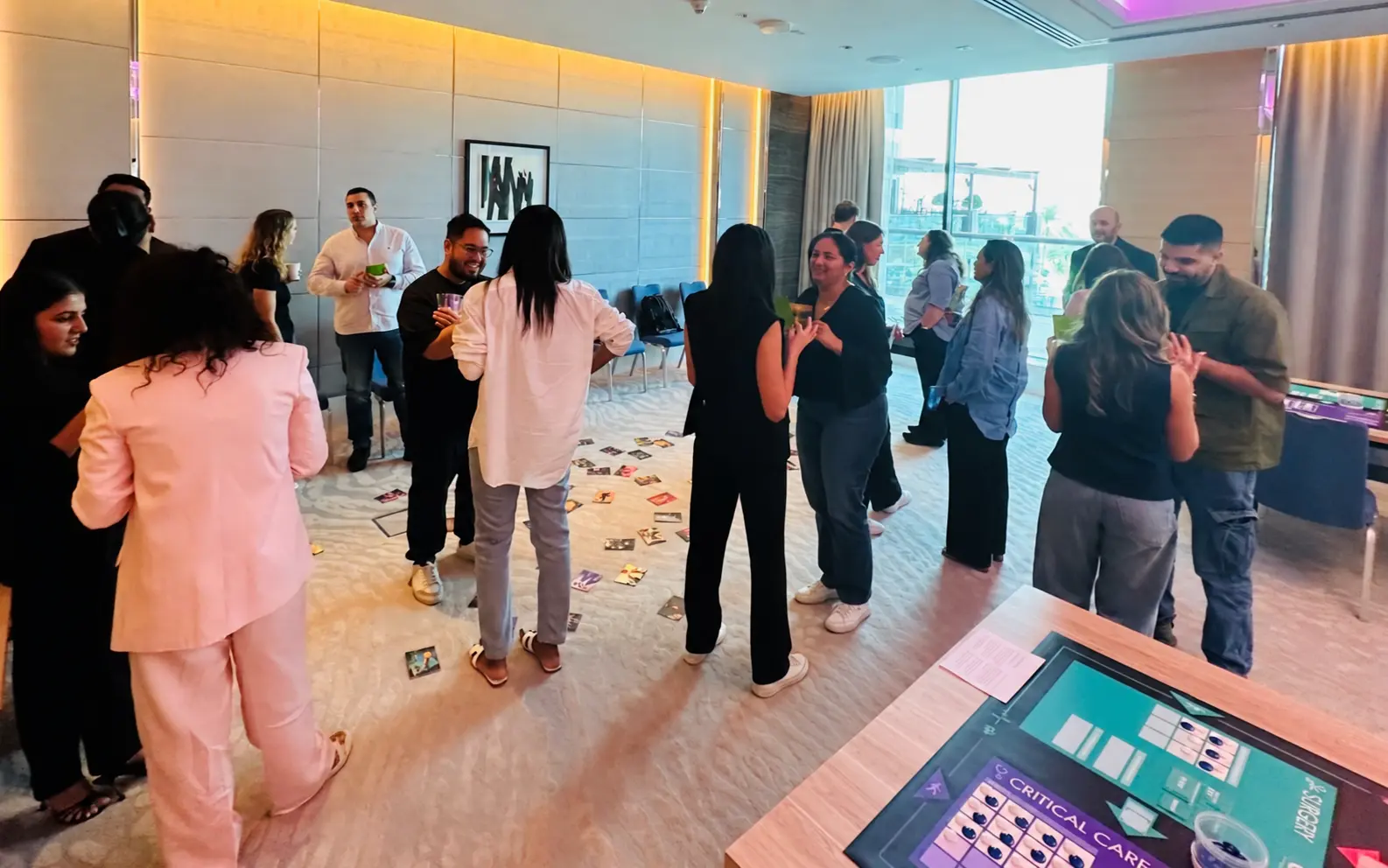
The sessions where people laugh the most are often the most productive.
Treating serious things lightly isn't avoidance. It's often the only way to make real progress. Masks come off when people feel safe enough to be honest. That's when the real work starts.
Fix the conditions, not the people.
Role, structure, ways of working and the signals around us shape behaviour far more than personality. The instinct when a team struggles is to look at the people. It's almost always the wrong place to look.
People move people. Not slides.
Most leadership teams don't have a capability problem. They have a conversation problem. The quality of connection shapes the quality of thinking — and no slide deck has ever changed how a team relates to each other.
You need a better Tuesday, not a transformation.
The biggest shifts rarely start with the biggest moves. One person doing one thing differently — and iterating until momentum builds. Small actions. Big ripples.